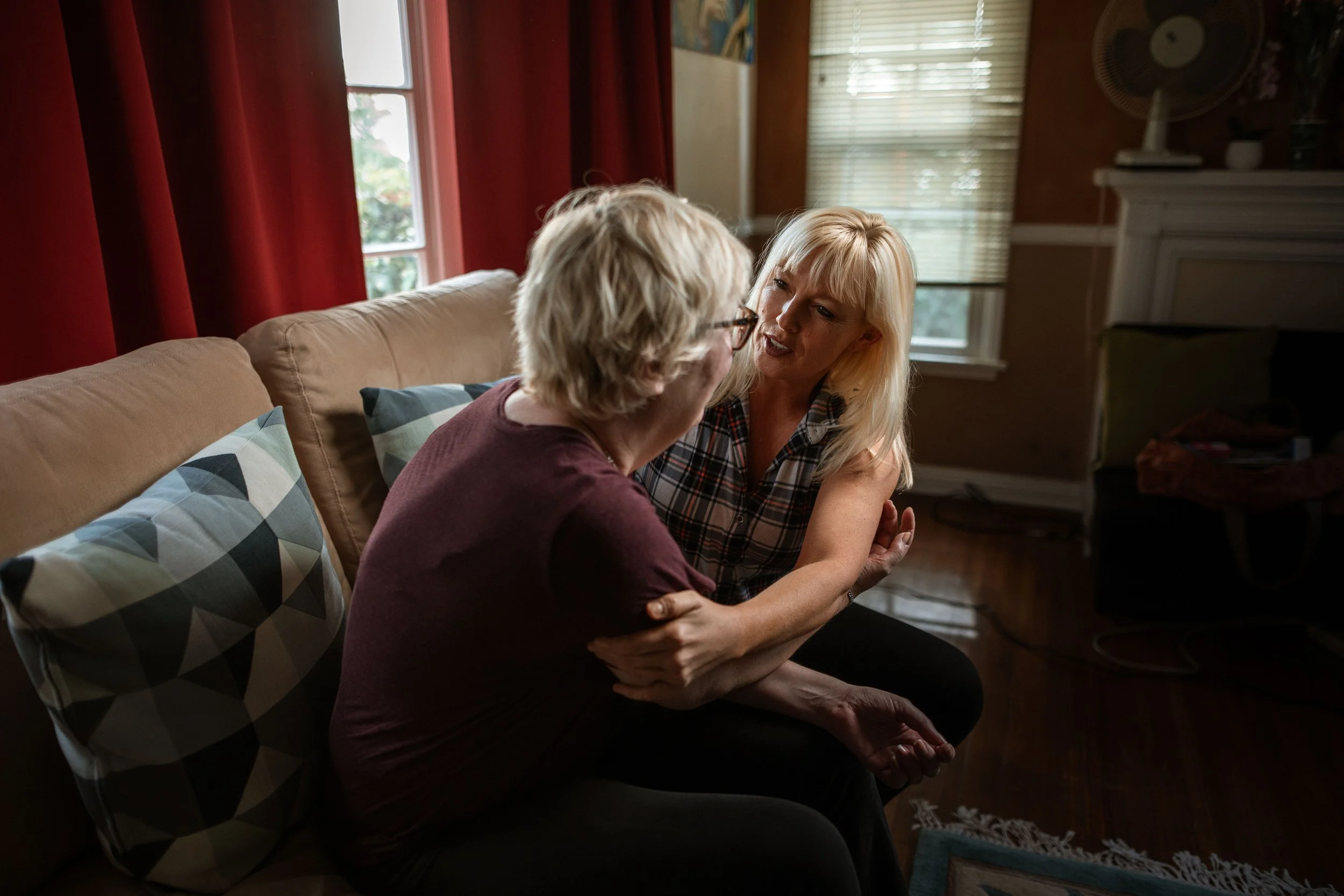
When someone you love enters treatment for substance use, it's natural to feel a mix of emotions. Relief that they're getting help, but also worry about what comes next. There’s also hope for the future, and fear of saying or doing the wrong thing.
Recovery doesn't just affect the individual receiving treatment; it impacts the entire family and support system. Addiction can change communication, strain relationships, and create uncertainty about what life will look like moving forward. The good news is that healing can happen for families, too.
Understanding what to expect during treatment can help reduce uncertainty and make it easier to support your loved one in healthy, meaningful ways. Whether they're just beginning treatment or preparing to transition home, knowing your role and caring for yourself throughout the process are both essential parts of long-term recovery.
How Can Families Support Someone During Addiction Treatment?
Supporting a loved one in treatment doesn't mean solving every problem or having all the right answers. Often, the most meaningful support comes from being patient, staying engaged, and allowing the treatment process to work.
While every recovery journey is different, families can make a positive difference by:
Encouraging treatment without trying to control the outcome
Respecting treatment guidelines
Remaining open to learning more about substance use and recovery
Practicing honest, respectful communication
Celebrating progress, both big and small
Many families feel pressure to "fix" everything immediately, but recovery is a gradual process built on consistency rather than perfection. Allowing your loved one the space to learn new skills while remaining supportive often creates a stronger foundation for lasting recovery.
What Should Families Expect While a Loved One Is in Treatment?
Every treatment program operates differently, but most follow a structured approach focused on helping individuals stabilize physically, emotionally, and mentally. During treatment, your loved one will likely spend much of their time participating in counseling, educational groups, recovery-focused activities, and developing healthy coping skills. Early in treatment, communication with family members may be more limited so clients can fully focus on their recovery and establish a strong foundation.
Families should also expect their own role to evolve throughout treatment. Rather than simply waiting for treatment to end, many programs encourage loved ones to learn alongside the individual receiving care. Education about addiction, healthier communication, and understanding family dynamics can all help prepare everyone for life after treatment. Recovery isn't only about helping one person stop using substances. It's also about creating healthier relationships that support long-term healing.
What Does Family Counseling Look Like During Addiction Treatment?
Family involvement is an important part of recovery because substance use often affects the entire household. Involving families in treatment can improve engagement, strengthen relationships, and support better long-term recovery outcomes. Families who participate often gain a better understanding of addiction while learning healthier ways to communicate and support recovery.
At The Walker Center, family programming is designed to help loved ones better understand addiction while developing practical skills that strengthen relationships. The Walker Center's Family Program sessions focus on education, communication, family dynamics, and creating healthier patterns that support long-term recovery.
Topics include:
Understanding addiction as a family disease.
Recognizing unhealthy relationship patterns.
Improving communication and conflict resolution.
Rebuilding trust over time.
Creating a healthy recovery environment at home.
The Walker Center emphasizes developing a family recovery plan that helps everyone understand their role after treatment. Recovery plans encourage healthy expectations, identify supportive routines, and help families prepare for challenges that may arise after discharge rather than simply hoping everything returns to normal.
How Should You Communicate With a Loved One During Treatment?
Communication often feels different during treatment, especially if emotions are still raw. Many families worry about saying the wrong thing, but supportive communication doesn't require perfect words. Instead, focus on creating conversations that are encouraging, honest, and respectful.
Helpful approaches include:
Listen without judgment
Encourage progress
Respect treatment boundaries
Be patient as trust is rebuilt
Recovery involves difficult conversations, but those conversations become more productive when everyone approaches them with empathy instead of blame.
Why Is Taking Care of Yourself Important During a Loved One's Recovery?
When someone you love is struggling with substance use, it's easy to focus all of your attention on them. Many family members postpone their own needs because they feel guilty, responsible, or simply overwhelmed.
But caring for yourself isn't selfish; it's necessary.
Substance use can create significant stress for spouses, parents, children, and siblings. Families should prioritize their own well-being by maintaining routines, seeking support, managing stress, and recognizing that they cannot control another person's recovery.
Self-care may include:
Attending your own support groups or counseling
Maintaining healthy sleep and eating habits
Spending time with supportive friends and family
Continuing hobbies or activities that bring you joy
Setting healthy boundaries when needed
Taking care of yourself allows you to be a stronger source of support while protecting your own emotional health.
What Happens After Treatment Ends?
Graduation from treatment is an important milestone and the beginning of a new phase of recovery rather than the finish line. Returning home often means adjusting to new routines, rebuilding trust, and continuing the work started during treatment. Families may need time to establish new communication habits and navigate situations differently than they did before treatment.
The Walker Center emphasizes continuing care after residential treatment through appropriate levels of ongoing support based on each person's needs. A long-term recovery plan often includes continued counseling, support groups, relapse prevention strategies, and family involvement.
Rather than expecting life to return to "normal," many families find greater success by focusing on building a healthier future together based on communication, accountability, and realistic expectations.
How Can Families Prepare Before Treatment Begins?
Preparing for treatment often starts before admission. Asking thoughtful questions and understanding what a program offers can help families feel more confident in their decision.
Questions to consider include:
Does the program include family education or family therapy?
What happens after residential treatment is complete?
How are families kept informed during treatment?
What support is available after discharge?
How does the program help families prepare for recovery at home?
If your loved one hasn't entered treatment yet, The Walker Center’s Guide To Understanding Addiction offers helpful information about recognizing the signs of substance use, understanding how addiction affects individuals and families, and knowing when it's time to seek professional help.
Healing Is a Family Journey
Watching someone you love begin treatment can feel overwhelming, but you don't have to navigate it alone. Recovery is rarely a straight path, and families often experience their own healing alongside the person receiving care.
By learning about addiction, participating in family programming, practicing healthy communication, and caring for your own well-being, you become an important part of creating lasting recovery.
At The Walker Center, we believe recovery extends beyond the individual. Families deserve support, education, and hope, too. If someone you love is preparing for treatment, reach out to learn more about our Family Program today.
FAQs
How can I support someone while they're in rehab?
You can offer encouragement, respect the treatment process, communicate with patience, and participate in family education or counseling opportunities when available.
What happens during family counseling for addiction treatment?
Family counseling helps loved ones better understand addiction, improve communication, rebuild trust, and develop healthier relationship patterns that support long-term recovery after treatment.
Should I take care of myself while my loved one is in treatment?
Yes, maintaining your own physical and emotional health allows you to support your loved one better while reducing your own stress. Therapy, support groups, healthy routines, and boundaries are all important parts of family recovery.